Loss
Kelvin arrives carrying a wound he has never closed. Solaris finds it at once.
Project Tesseract Nº 04 · Film × Philosophy
Andrei Tarkovsky’s 1972 masterpiece, screened, then talked about long into the night
“We don’t want to conquer the cosmos. We want to extend Earth to its edges. We don’t need other worlds. We need mirrors.”Snaut, in Solaris (1972)
The film
Solaris is a 1972 Soviet science fiction art film, from Polish author Stanisław Lem’s novel Solaris (1961). It was co-written and directed by Andrei Tarkovsky.
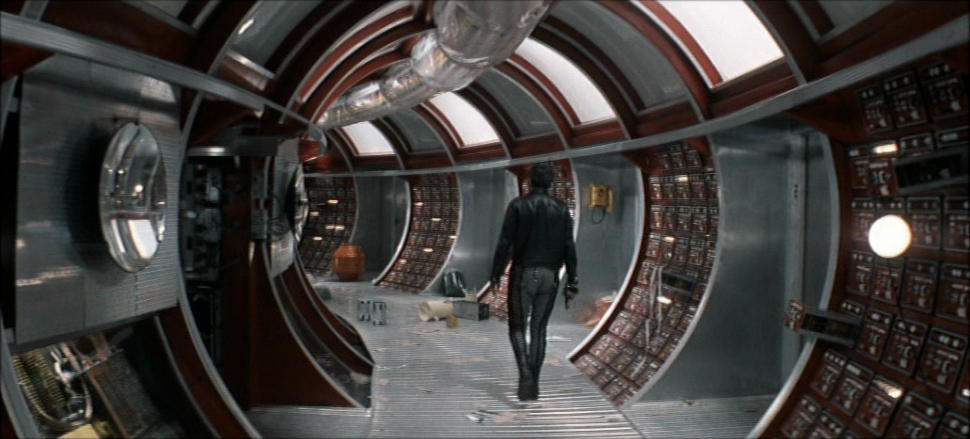
It is a meditative psychological drama, set mostly aboard a space station orbiting the planet Solaris. The scientific mission has stalled: the skeleton crew of three scientists have each fallen into their own emotional crisis. Psychologist Kris Kelvin travels to the station to evaluate the situation, and soon meets the same mysterious phenomena as the others.
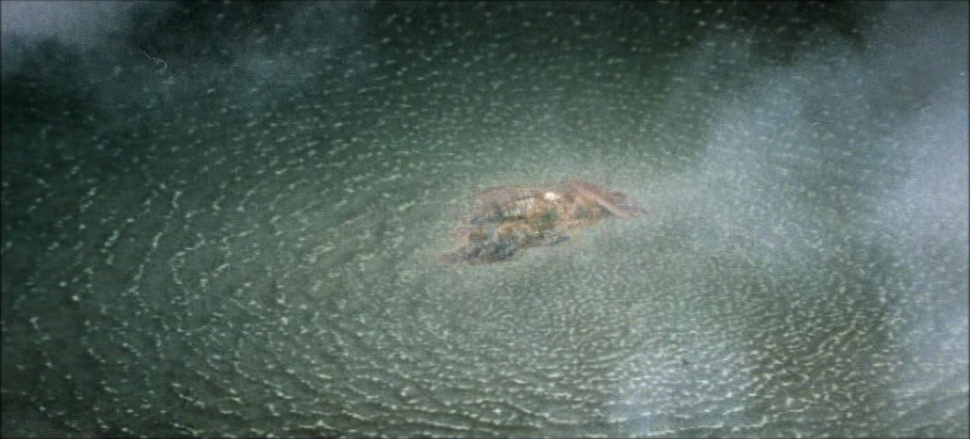
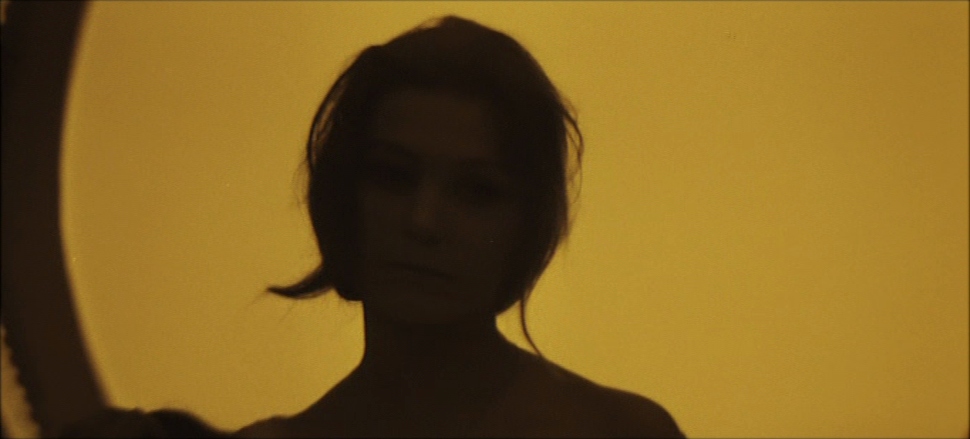
The planet’s ocean seems to read the minds of the people above it. Then it sends them back the people they have lost.

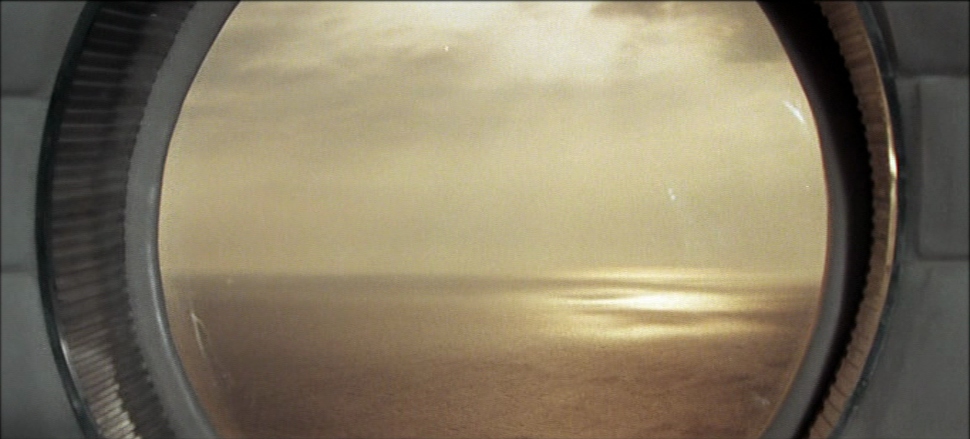
The film, in frames
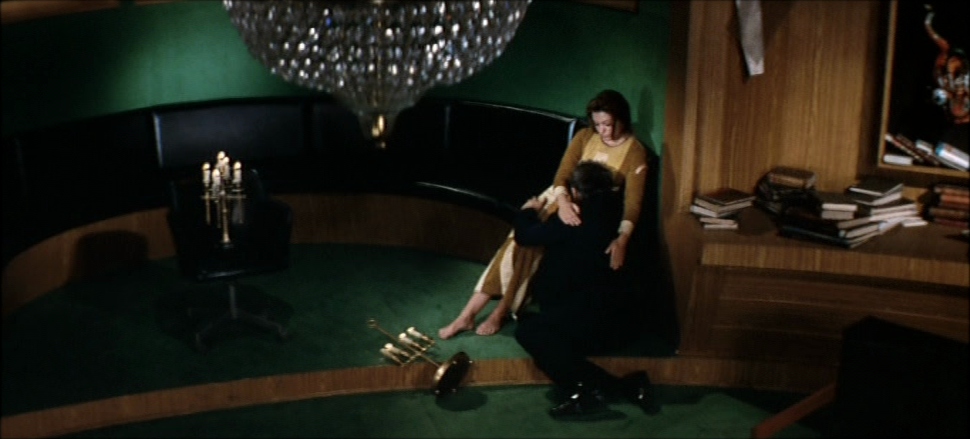
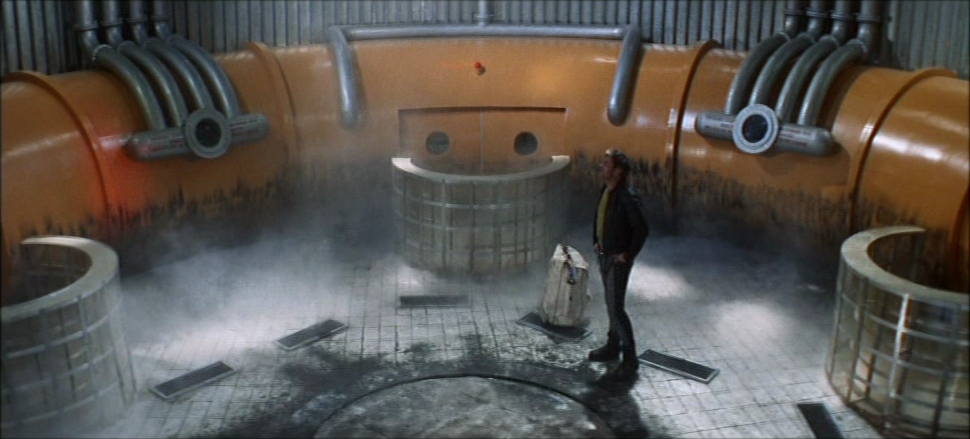
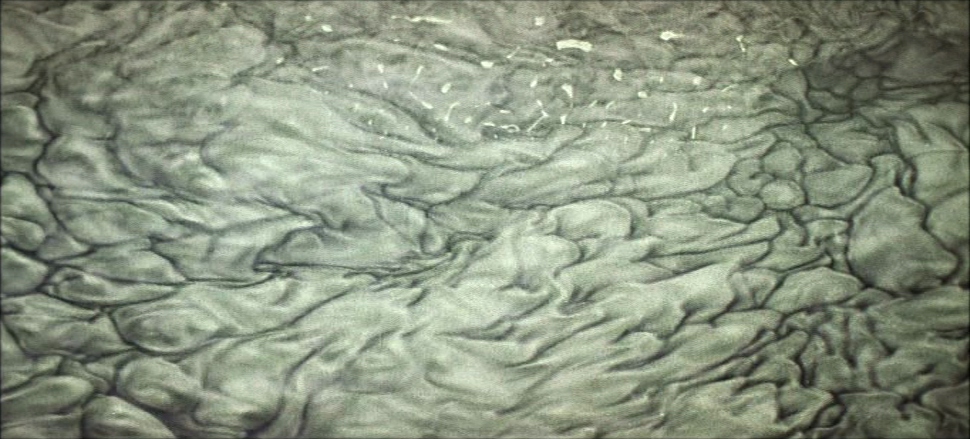
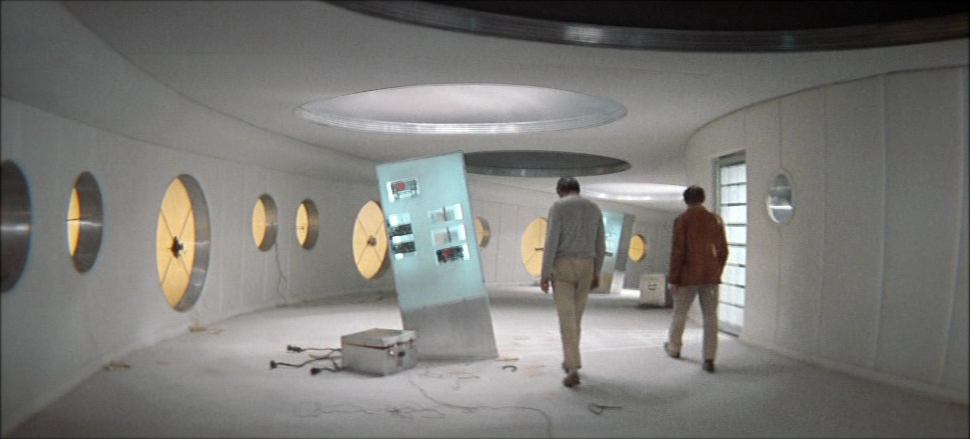
What the evening was about
The screening mixed film analysis, science fiction, surrealism and psychology. After the film, an open mic took on the questions the ocean asks.
Kelvin arrives carrying a wound he has never closed. Solaris finds it at once.
What would you do if the person you lost knocked on your door, again and again?
The visitors are made from what the crew remember, so they are only as true as memory is.
A mind the size of a planet, that never explains itself. Contact, with no common language.
If a copy feels, loves and suffers, in what way is it not real?
The ocean answers what the crew hide, even from themselves.
Science arrives with instruments and theories. The ocean is not impressed.
The perverse power of a love that returns, and cannot be allowed to last.
Why it lasts
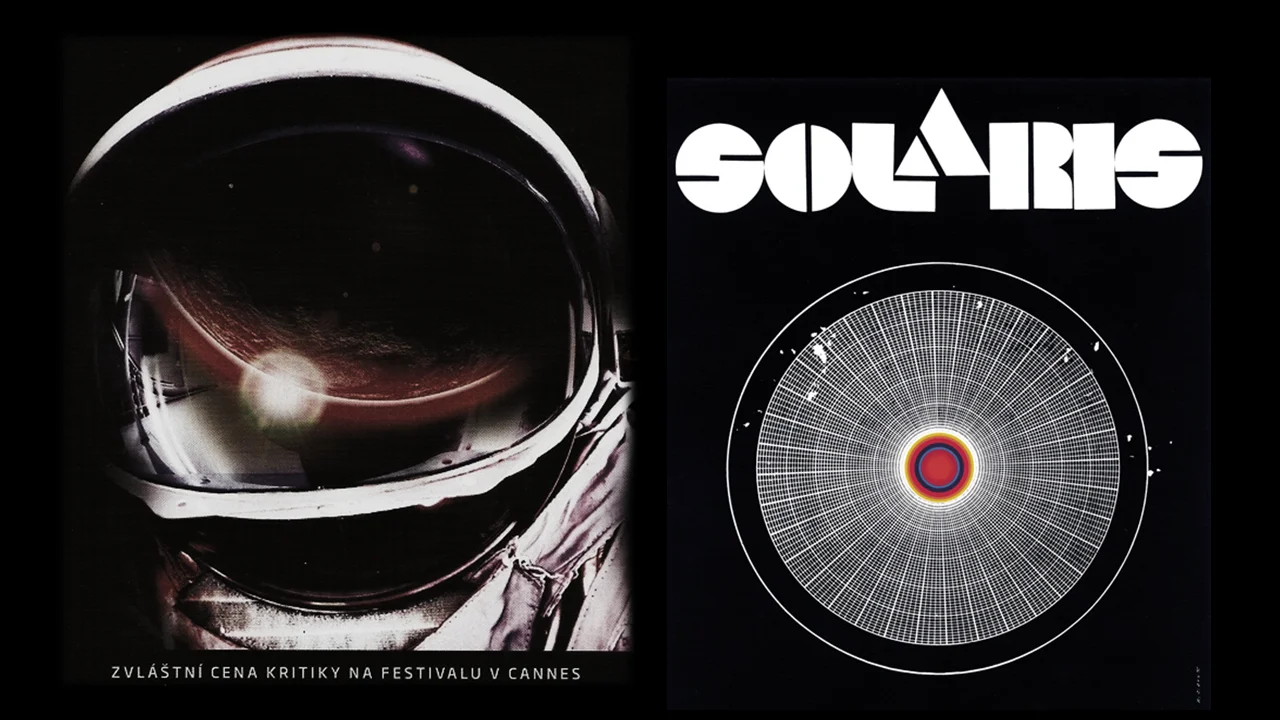
Most space films look outward. Solaris travels to the edge of the known, to find that the real unknown is the human heart.
Tarkovsky’s long, patient shots let you live inside a scene, until rain, water and silence start to feel like thoughts.
The film was awarded the Grand Prix Spécial du Jury at the 1972 Cannes Film Festival.
Lem wanted a film about the impossibility of contact. Tarkovsky made one about conscience and home. Both visions are still argued over.
Bach’s chorale prelude in F minor, set inside Eduard Artemyev’s electronic score: old faith and new machines in one sound.
The screening
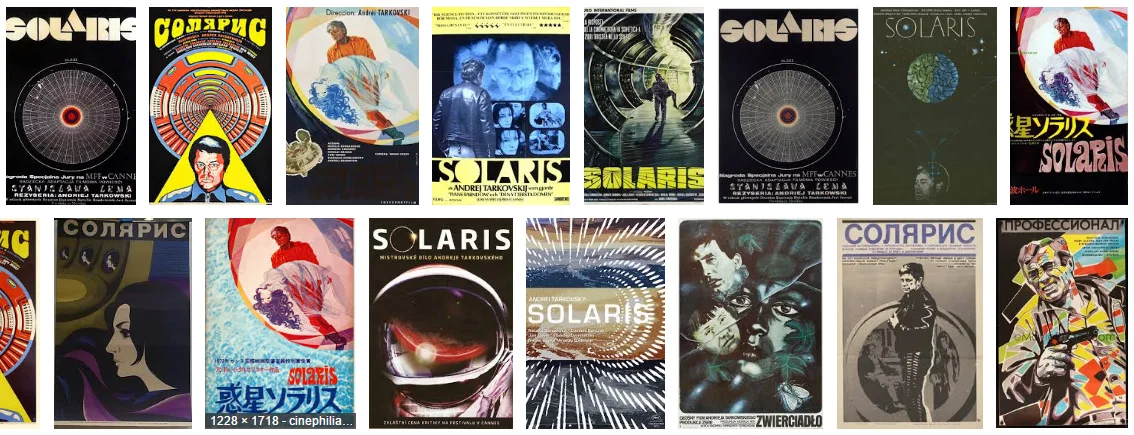
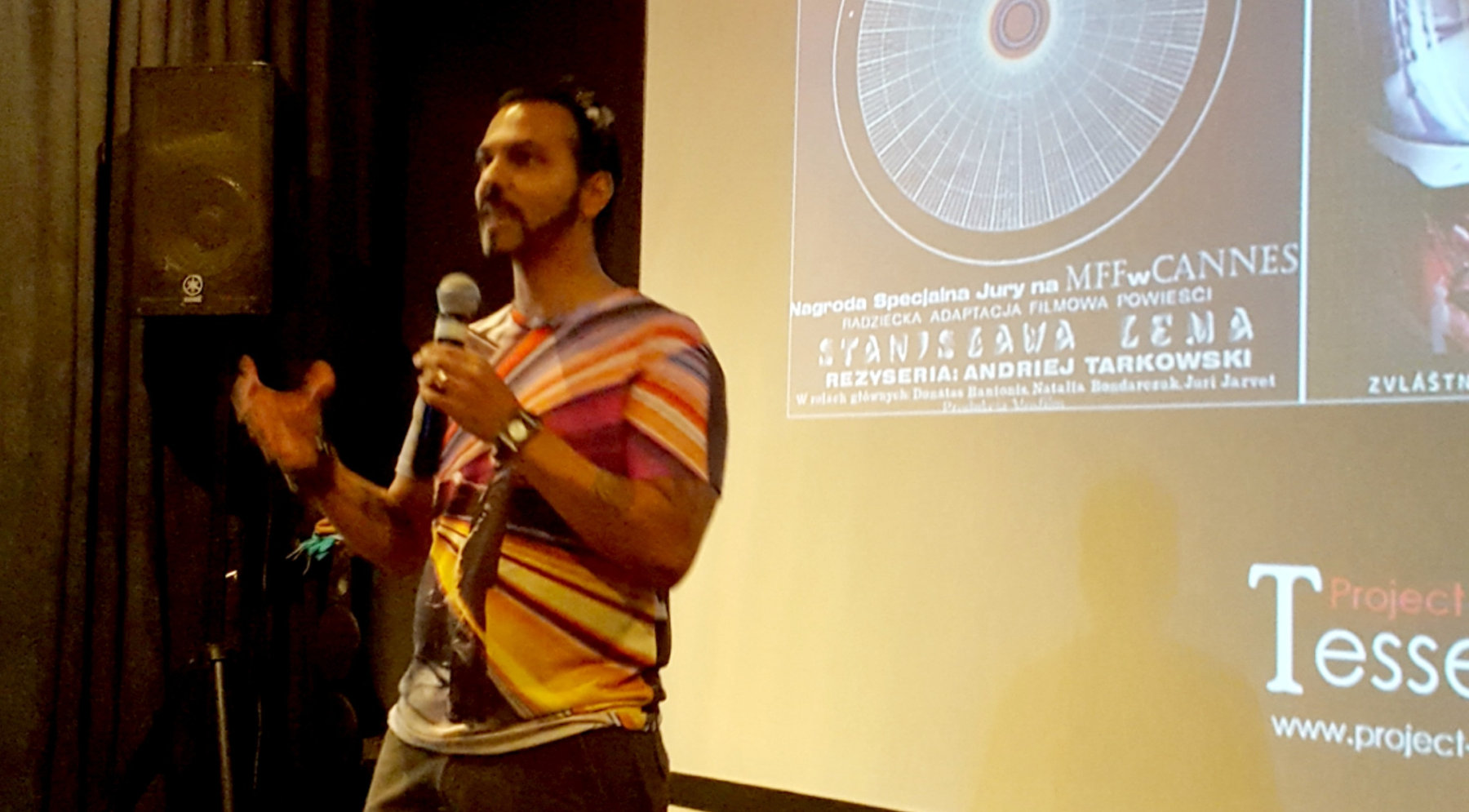
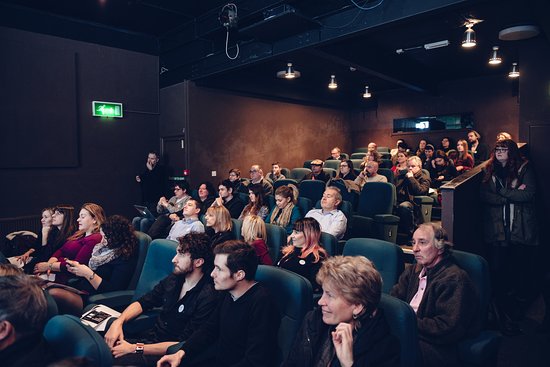
A special screening of the exquisite, engrossing, metaphysical psycho-drama: a sci-fi masterpiece and a profound existential Russian classic. Afterwards came an open-mic discussion of the themes of the film.
The venue was Nadi Al Quoz, in the heart of Alserkal Avenue, the region’s foremost arts and culture neighbourhood. Inspired by a Zen garden, it is meant to inspire comfort and creativity, and a spirit of community and creative growth.
Your turn
Give it a quiet evening, a big screen and no phone. Let it be slow. Somewhere in the second half, the ocean will start looking back at you.
Project Tesseract · Nº 04